
Koh Larn Ferry vs Speedboat from Pattaya
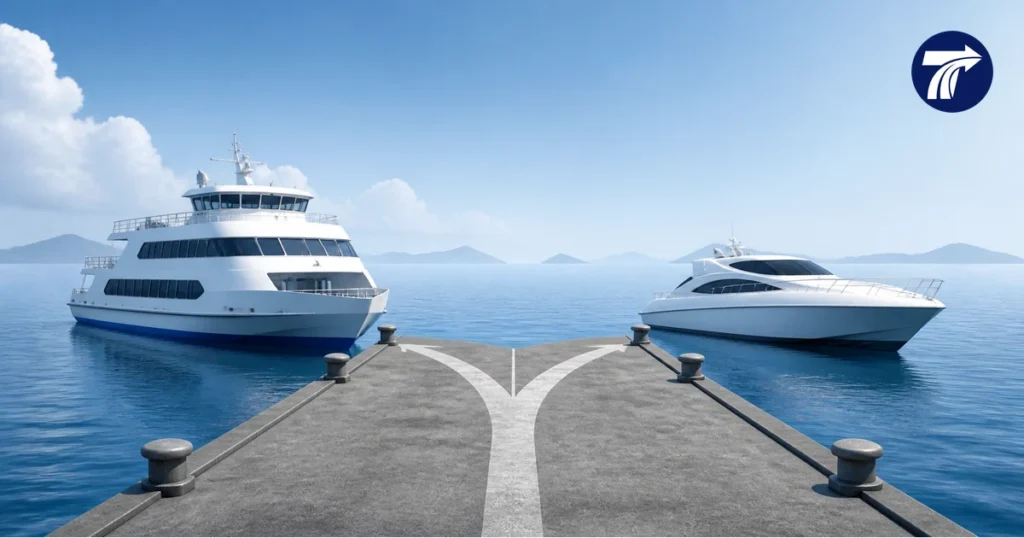
The useful way to compare a Koh Larn ferry and a speedboat is to ask which current arrangement suits your party, not which label sounds faster or easier. Pattaya City material distinguishes passenger boats and speedboats in the Bali Hai and Koh Larn context. That broad distinction does not confirm today's companies, ticket prices, departure times, crossing lengths, boarding places or operating conditions.
Make the choice with direct answers from the provider that would carry you. TOP PATTAYA TAXI can separately take passengers by road to an agreed Bali Hai handoff. A road booking does not select a vessel or include a passenger ticket, baggage acceptance, the crossing or travel on Koh Larn. Keeping those responsibilities separate lets you compare like with like.
Define the decision before comparing labels
First describe what your group needs from the sea leg. A couple carrying small day bags may have different priorities from a family with a pushchair, a group that wants to stay together or a traveller who needs help on steps. Your return commitments, tolerance for waiting, luggage, preferred island arrival area and response to changing weather can all matter more than the vessel category.
Write down the same questions for every provider you are considering. Compare the replies, their date and who supplied them. A general claim about "the ferry" or "speedboats" is weak evidence because arrangements can differ between providers and days. A direct answer about the exact service you may use is more useful.
This page does not choose a winner. It gives a neutral method for deciding after you obtain current information. For the wider journey, see the Pattaya-to-Koh-Larn journey guide; for passenger-area details, use the Bali Hai terminal-check guide.
Check a current provider source
Before relying on any comparison, identify the actual operator or seller and locate its current first-party instruction. Confirm the travel date, departure area, ticket process, boarding requirement, baggage conditions, intended arrival point and update channel. If a hotel, agent or pier desk is arranging the ticket, ask who operates the boat and whose notice controls a change.
Base the comparison only on detailed, date-specific answers obtained directly from each provider. A copied timetable, fare or berth from an anonymous or old page cannot settle the choice for your party with confidence. Pattaya City reports offer historical transport context, while operational details still need a travel-date answer from each provider.
Look for clear ownership of the reply. A screenshot without a date, a review, a social post copied by someone else or a generic booking listing may not reflect the service you will board. Save the direct confirmation, but recheck near departure because a valid answer obtained earlier is not an operating guarantee.
Compare boarding and waiting uncertainty
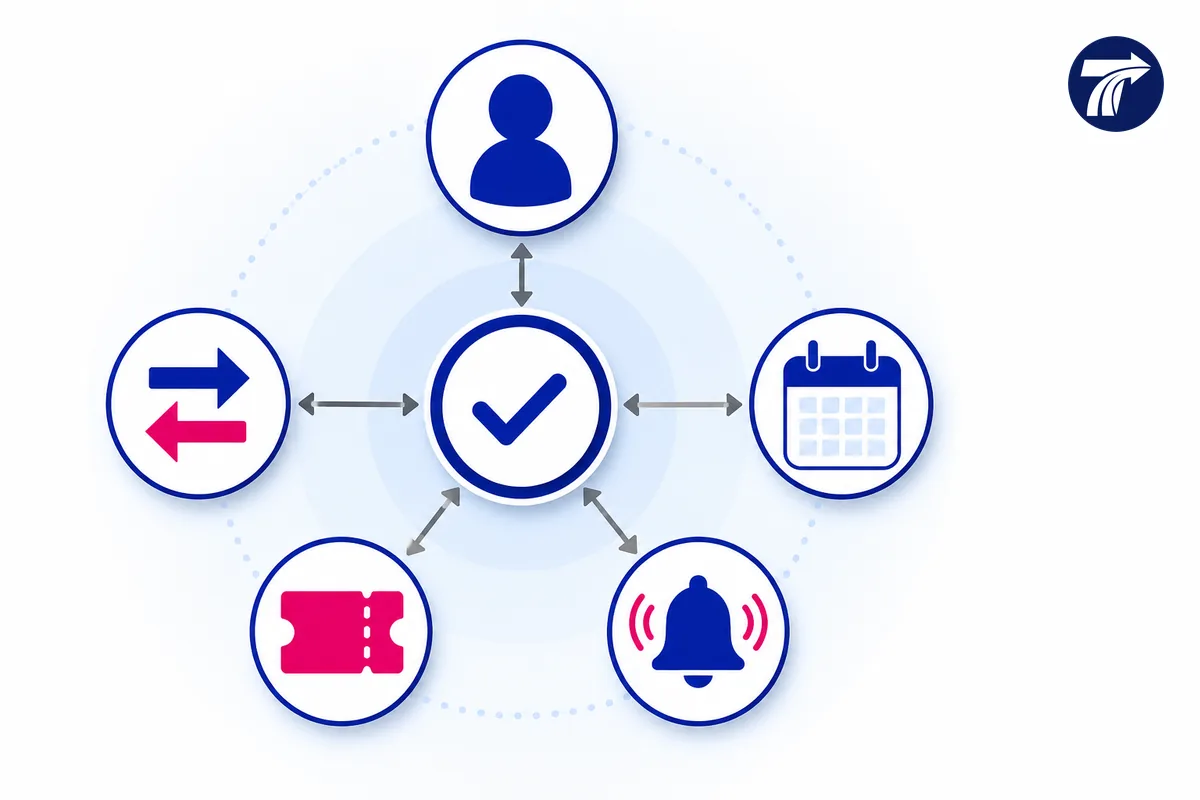
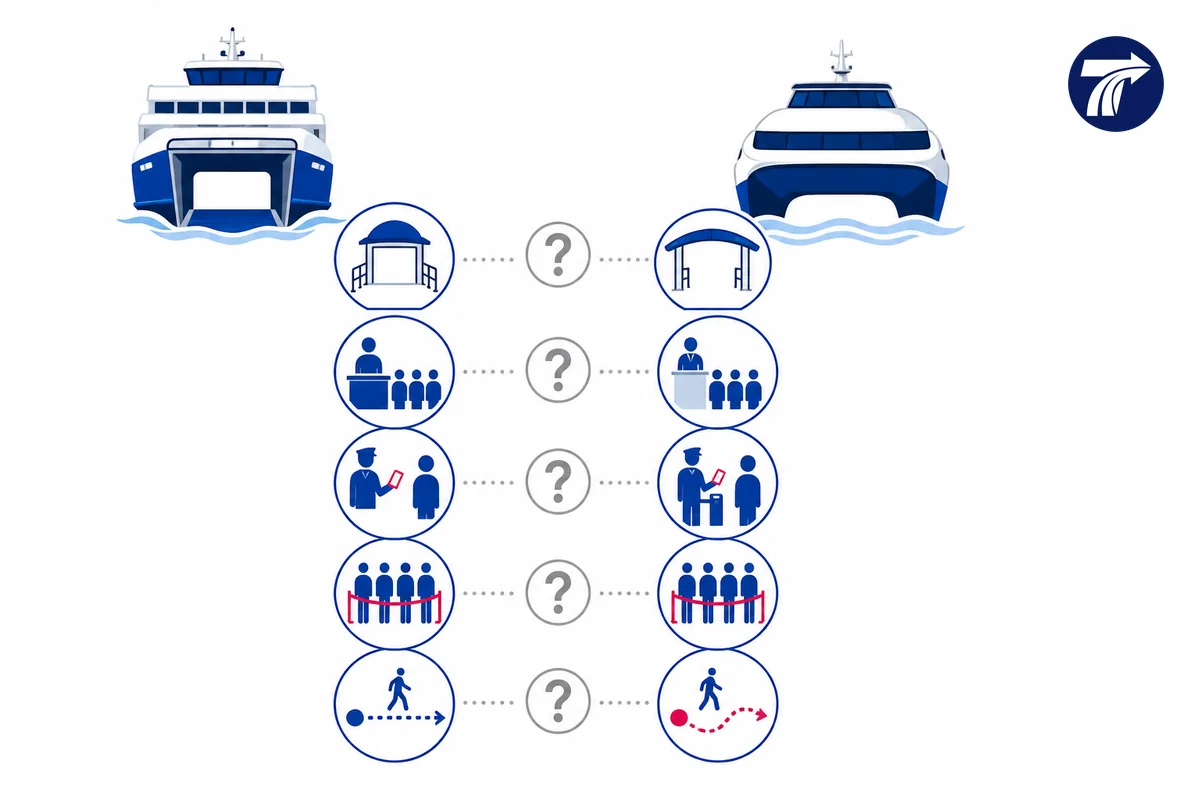
The word "ferry" does not by itself explain where passengers queue, how tickets are checked or when boarding closes. The word "speedboat" does not tell you whether the arrangement uses a shared departure, a group collection or another process. Ask each provider to describe the steps from arriving at the passenger area to taking a seat.
Useful boarding questions include:
- Which passenger entrance and reporting point apply to this booking?
- Is the ticket bought in advance, collected at a counter or handled another confirmed way?
- What should passengers show, and when should they report according to the provider?
- Can the group remain together during the queue and boarding process?
- What happens under the provider's terms if the planned movement changes or is missed?
Treat all answers as service-specific. Do not convert a requested reporting point into a promised departure, or an expected arrival into a road connection. Crowd levels, pier instructions and operating decisions may change. Leave enough personal margin to follow a revised direction without depending on an exact waiting time.
For the road side, the Services & Rates page supplies only the confirmed road-service, passenger and inclusion boundary. It does not answer the five boat questions above and does not turn pier waiting into an automatic inclusion.
Ask about luggage and pushchairs
Count everything that must move from car to passenger area, onto the vessel, off at the island arrival point and onward. Include suitcases, backpacks, shopping bags, pushchairs, mobility items, sports equipment and anything awkward to carry. Then ask each boat provider whether those exact items are accepted and how passengers are expected to handle them.
Do not assume the larger-looking vessel accepts every load or that a smaller craft supplies personal assistance. Provider rules, boarding layout and available space are current matters. Ask whether an item must be folded, protected, carried by the passenger or handled under a separate arrangement. If the answer is unclear, do not hide the item from the request; choose an arrangement that gives you a usable answer.
The road-vehicle check is separate. Give TOP PATTAYA TAXI the same complete load list so the requested car movement can be assessed. Passenger maxima are not a guarantee that a particular mix of people and equipment fits. A confirmed car load says nothing about the boat's acceptance decision.

Consider children and mobility needs
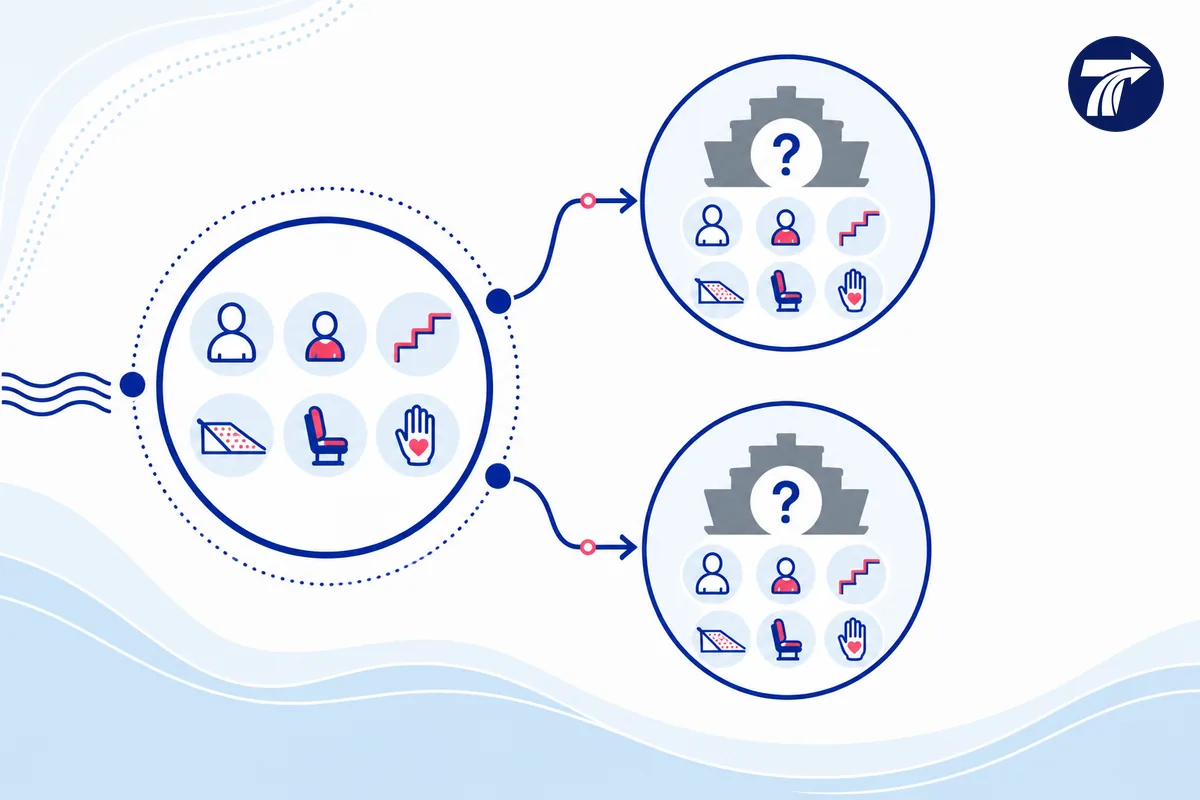
Families should compare the real boarding process rather than broad claims of convenience. Send children's ages, the number of adults able to assist and any pushchair or equipment details to the provider. Ask about the physical route to the vessel, steps or changing surfaces, seating arrangements, supervision expectations and any help the provider can expressly confirm.
Travellers with limited mobility should describe the movement they can and cannot manage. A yes-or-no accessibility label may conceal the part that matters, such as the route through the pier, boarding height, a transfer between surfaces or movement after reaching Koh Larn. Obtain separate answers for the pier, vessel and island transport.
Neither mode earns a universal family or accessibility advantage in this comparison. The stronger choice is the one whose responsible provider gives specific, current answers that fit your group. If either option leaves an essential need unanswered, revise the plan before paying.
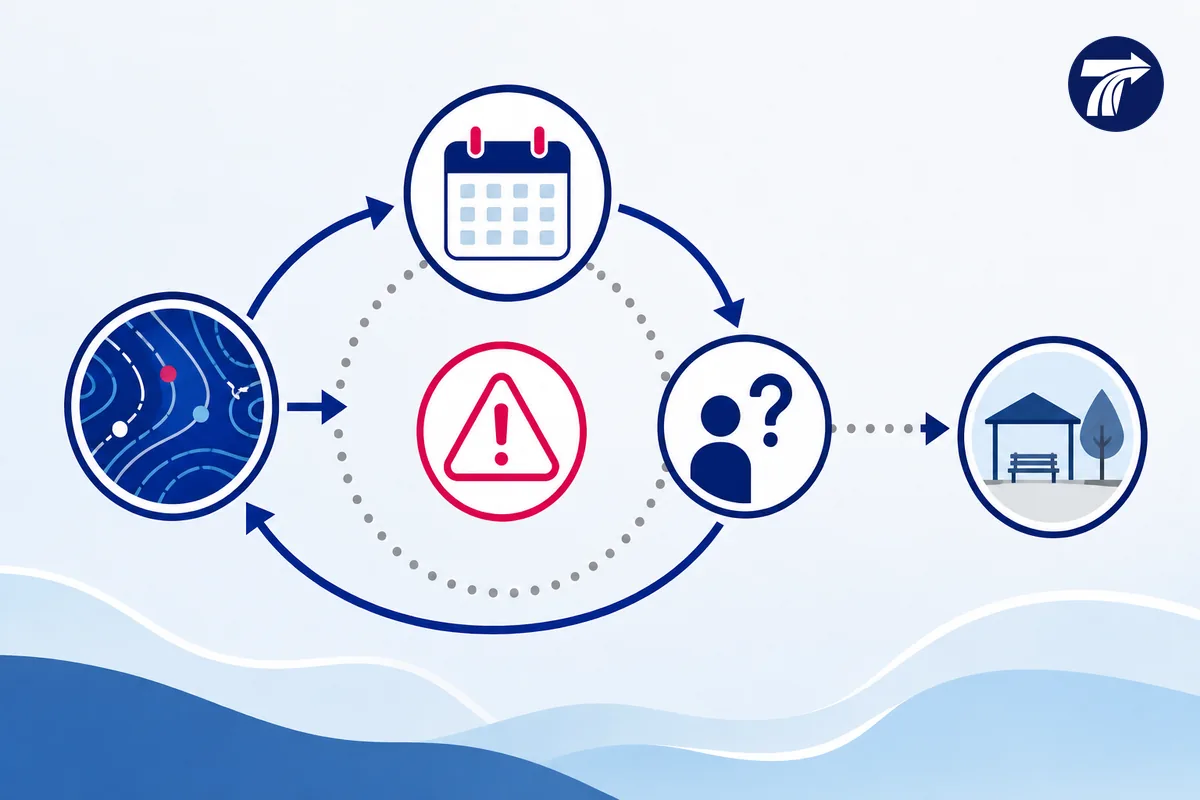
Recheck weather and sea conditions
Marine weather can affect either type of service and the provider makes its own operating decision. Review the Thai Meteorological Department's Marine Meteorological Center information, then ask the selected provider for the live position. Do both checks again on the travel day.
Do not use vessel type as a substitute for current safety or comfort information. A forecast is not a promise that a boat will operate, while an old photograph cannot show today's sea. Ask how the provider communicates a change and what ticket terms apply; this guide does not promise a replacement, refund or transfer to another service.
Build a Pattaya-side alternative that does not depend on reaching the island. If the provider changes or cancels the sea movement, decide whether to wait under its instructions, choose another separately verified option or keep the day on the mainland. Tell the road provider promptly if the change affects an accepted pickup or drop-off.
Confirm the island arrival and onward movement
The arrival point is part of the comparison because it shapes the next decision. Ask where the selected service currently intends to land and what on-site instruction passengers should follow. Then check how that point relates to the place you want to visit, using a separately arranged island-transport source.
An arrival at Koh Larn is not delivery to a beach, restaurant, activity or hotel. Do not assume an island vehicle will be waiting or that every place is equally reachable from every landing point. Confirm the actual island movement, equipment fit and final pin with the responsible local provider.
This can change which sea arrangement suits you. A provider with clear boarding details may still arrive somewhere inconvenient for your independently planned day, while another may fit the onward plan better. Evaluate the complete handoff rather than the boat silhouette alone.
Verify the return plan separately
Ask the chosen provider how return instructions are confirmed and where passengers should check for changes. Verify the island departure point, ticket treatment, boarding direction and intended Pattaya arrival area for the actual return. Never borrow a last-service time from memory or assume the outbound arrangement automatically secures a return.
If you need a car after coming back to Pattaya, request that road movement separately. Share the proposed road-accessible meeting pin, party, load, destination and update method. A sea arrival estimate is not a guarantee, and a driver should not be described as tracking the vessel or waiting without a written agreement.
Keep enough flexibility to respond if the intended return changes. Contact the provider controlling the sea ticket first, then inform the road provider about any effect on the accepted collection. Your fallback should protect essential commitments rather than rely on a tight transfer.
Mode decision checklist
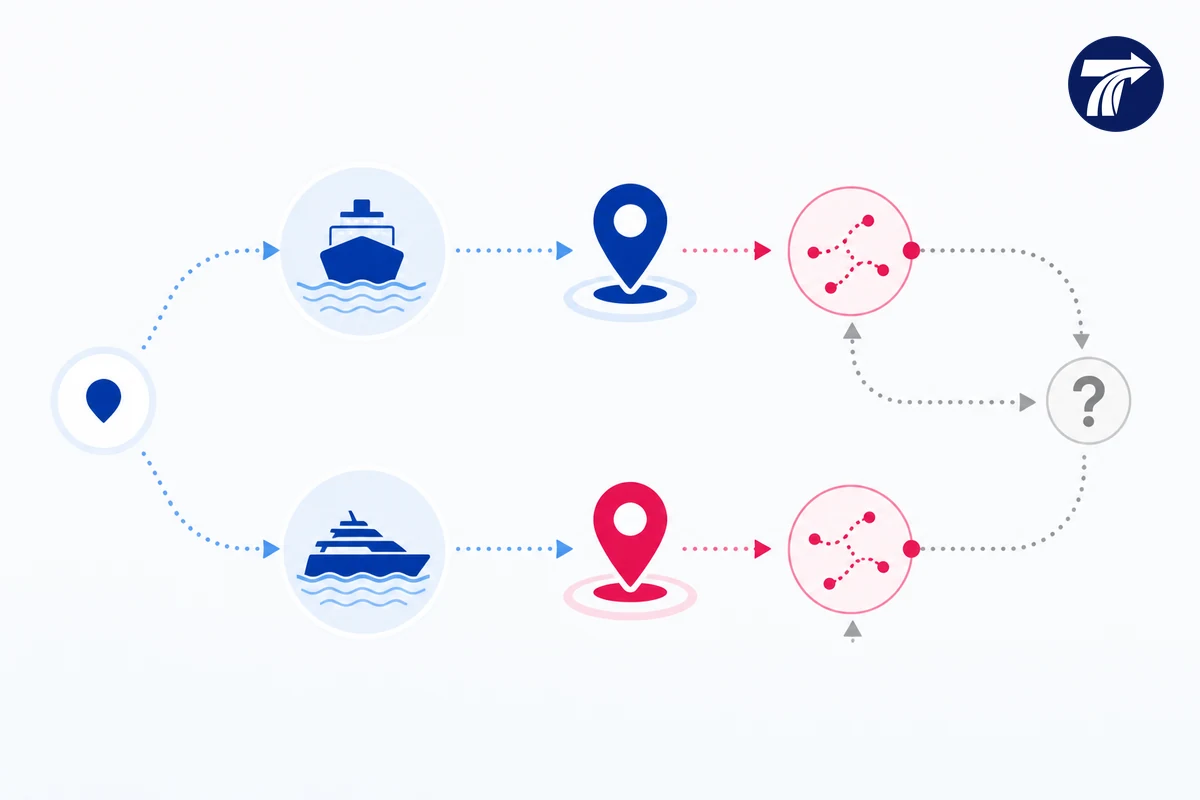
Place the two current provider replies side by side and review these points:
- Provider identity and a direct, dated source for the service being considered.
- Exact passenger entrance, reporting point, ticket method and boarding steps.
- Treatment of every bag, pushchair, mobility item and unusual load.
- Specific answers for children, assistance needs and group movement.
- Current TMD information plus the provider's weather-change communication.
- Intended island arrival and the separate onward-transport arrangement.
- Return ticket, departure, boarding and Pattaya arrival instructions.
- Terms for a change or missed movement and a realistic mainland alternative.
If an important box has no answer, mark it unresolved rather than awarding the mode an assumed advantage. Recheck the chosen facts on the travel date.
Frequently Asked Questions
Is a speedboat always quicker for the full journey?
This guide publishes no crossing-time or end-to-end winner. Boarding, waiting, arrival point and onward movement need current provider information before any useful comparison.
Is a passenger ferry automatically better for luggage?
No general baggage advantage is claimed. Ask the actual provider about each item and the passenger's handling responsibility.
Which choice is more suitable for children?
Compare the provider's boarding, seating, supervision and equipment answers for your children's ages and needs. A vessel label alone is insufficient.
Are boat tickets included with road transport to Bali Hai?
No passenger-vessel inclusion should be assumed. The road and sea bookings are distinct unless a written confirmation specifically states otherwise.
Can weather affect both choices?
Yes, current marine conditions and provider decisions are relevant to both. Check TMD information and the selected provider again on the day.
How do we arrange the Pattaya road portion?
Send the exact pickup entrance, agreed pier-side road point, date, requested time, passenger count and full load through TOP PATTAYA TAXI's contact channel, then rely on the written reply.
Choose with current answers
The right outcome is a documented choice, not a generic verdict. Ask comparable questions, verify who is responsible, check weather and arrival details, and leave room for the return to change. For an example of how those independent legs can fit into a day, use the one-day Koh Larn outline.