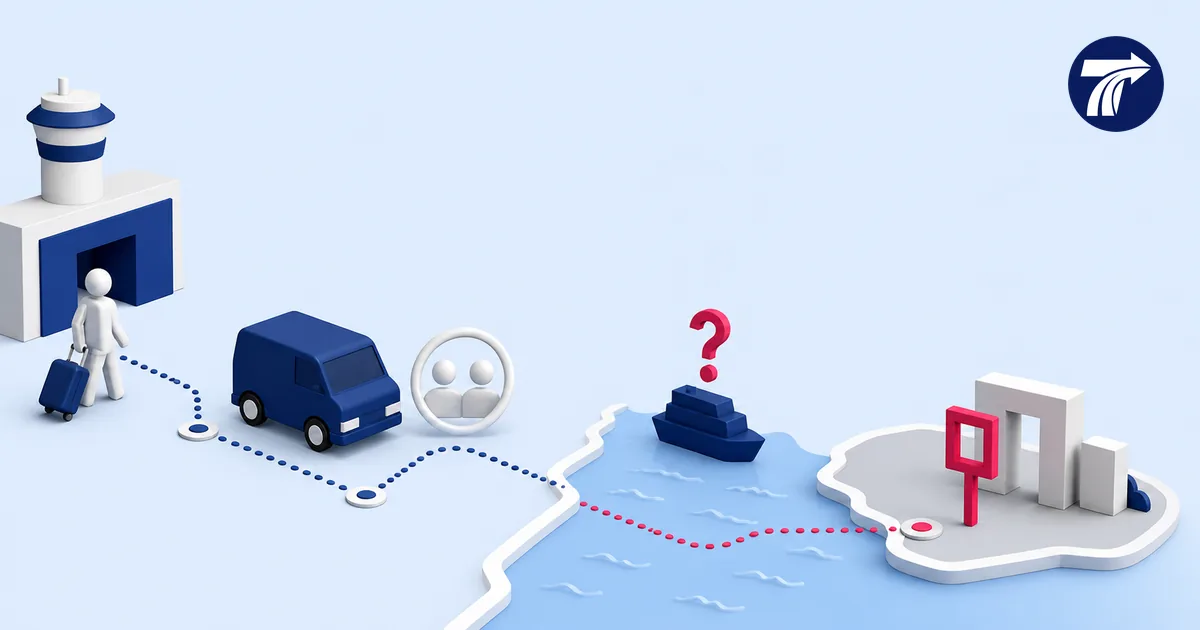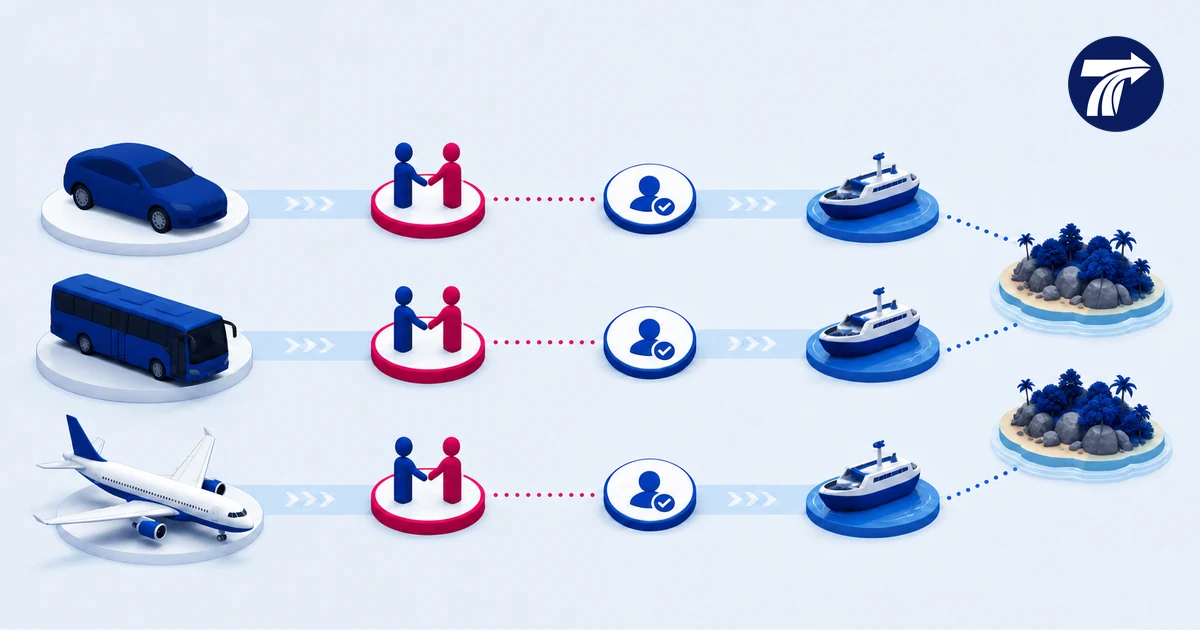
A cultural day that combines the Sanctuary of Truth, Pattaya Floating Market and Nong Nooch can be a useful planning idea, but it is not a pre-made promise that three visits will work together on every date. Each place has its own visitor conditions, admission process and current programme. Start with the three separate checks, then decide whether a single road itinerary is comfortable for your party.
This guide is about arranging the movement between confirmed choices. It does not replace the venue information, sell entry, provide a guide, reserve a meal or guarantee how long a visit will take. A driver booking is also separate from attraction operations. If your day needs a different order, fewer stops or an earlier return, that is a good outcome: the itinerary should follow current information rather than force the day to follow a template.
Start with three separate venue checks
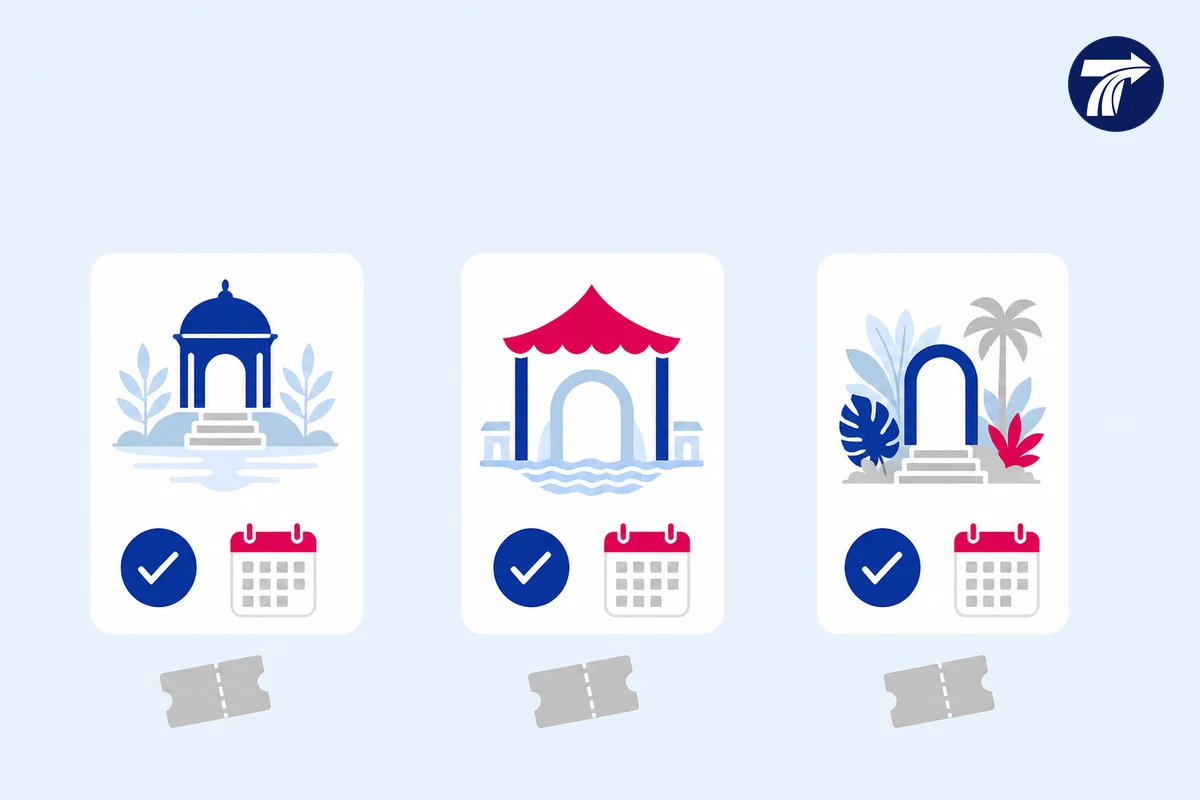
Open the official information for the Sanctuary of Truth, Pattaya Floating Market and Nong Nooch Botanical Garden. Confirm the intended date directly with each venue before asking a transport provider to build a route around it.
For each stop, write down the visitor session or access information you are actually using, the admission arrangement you want to make separately, the entrance you expect to use and any condition that could change the plan. A daytime visit is not interchangeable with a different visitor format simply because both are listed by the same attraction. Likewise, a market visit needs current confirmation rather than an assumption based on an old travel post, and a garden programme needs a current check rather than a remembered performance or activity.
Keep the checks independent. One confirmed venue does not confirm the other two. If a response is unclear, do not fill the gap with an estimated opening time. Ask again, choose a backup sequence or make the day less ambitious. The point is to protect the visits you care about rather than to claim a full checklist.
Work backwards from confirmed conditions
Once the three venues have replied or published a clear current instruction, identify the least flexible element. It may be a specific entry condition, a visitor programme, a party member's energy level or your desired return. Put that element first in the planning conversation, then fit the other visits around it.
Avoid beginning with a fixed road duration. Traffic, weather, hotel access, parking arrangements, visitor queues and the time your group spends at each site can all move the day. A better approach is a sequence of decisions: confirm the first arrival condition, leave a sensible transition between areas, decide how much time each confirmed visit deserves, and retain the option to omit a lower-priority stop.
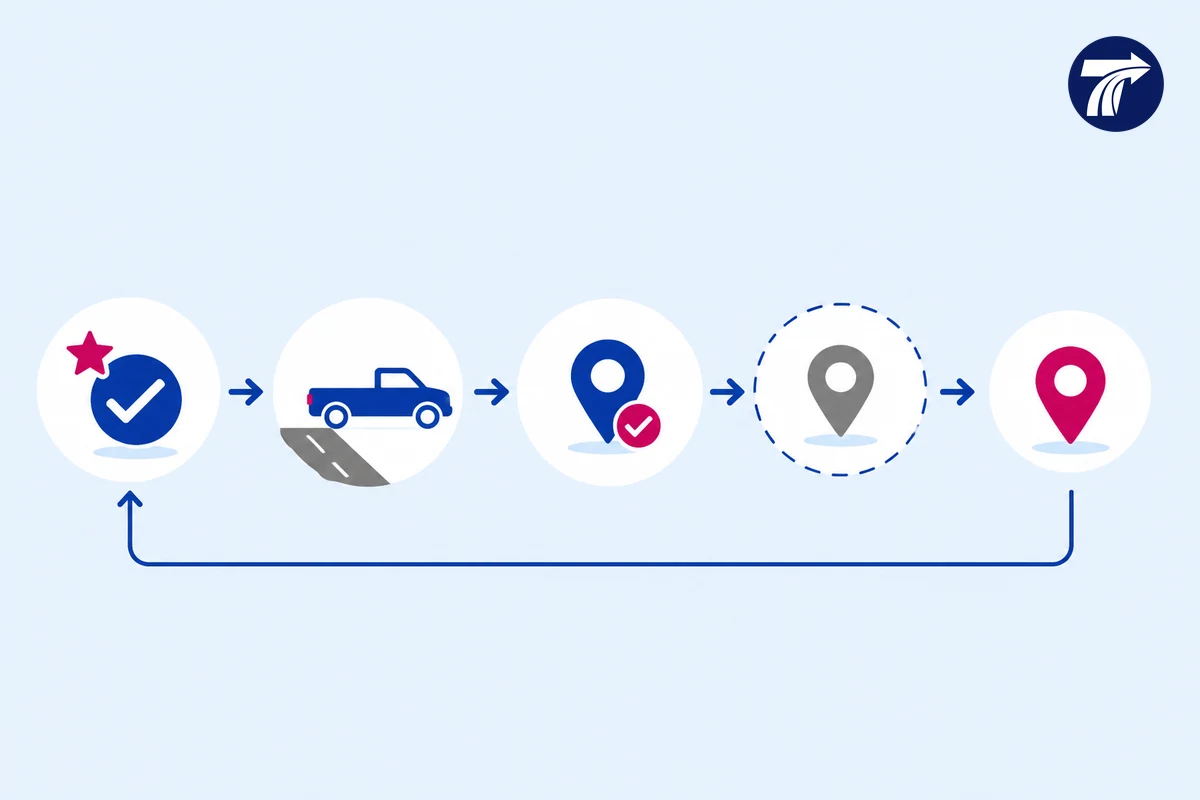
A simple example is confirmation-led rather than guaranteed:
- Confirm which of the three venues is the first non-negotiable visit.
- Arrange road pickup from the exact hotel or meeting point.
- Visit the next confirmed location only if the first visit and current conditions leave the party comfortable.
- Keep one later stop optional if it would make the return feel rushed.
- Confirm the final road movement and return plan in writing.
This sequence diagram is an example of planning logic, not a package with three included stops. It deliberately does not state departure times, admission periods or a promised end time.
Choose the route order for the day you actually have
The Sanctuary of Truth, the floating market and Nong Nooch do not need to appear in the same order every time. The best order is the one supported by current venue conditions, the practical pickup location and your party's priorities. If the garden is the key visit, its current programme and entry arrangements may determine the shape of the day. If the Sanctuary is central to the trip, begin with its own visitor guidance. If the market is only a short browsing addition, keep it conditional instead of treating it as a compulsory middle section.
Tell the booking team which stop is essential, which is preferred and which may be removed. Also say whether the driver is expected only to move the group between agreed points or whether any waiting request is part of the quotation. Do not assume a standard period of attraction waiting, a free extra stop or a driver available for an open-ended visit. The written confirmation needs to describe the accepted road movements and any agreed waiting.
The commercial Pattaya day-tour transport page explains the boundary between a confirmed vehicle arrangement and the attractions you choose separately. Use it for the road-service discussion, not as evidence that a venue admission, guided visit or particular route is included.
Sanctuary of Truth: etiquette and conditions first
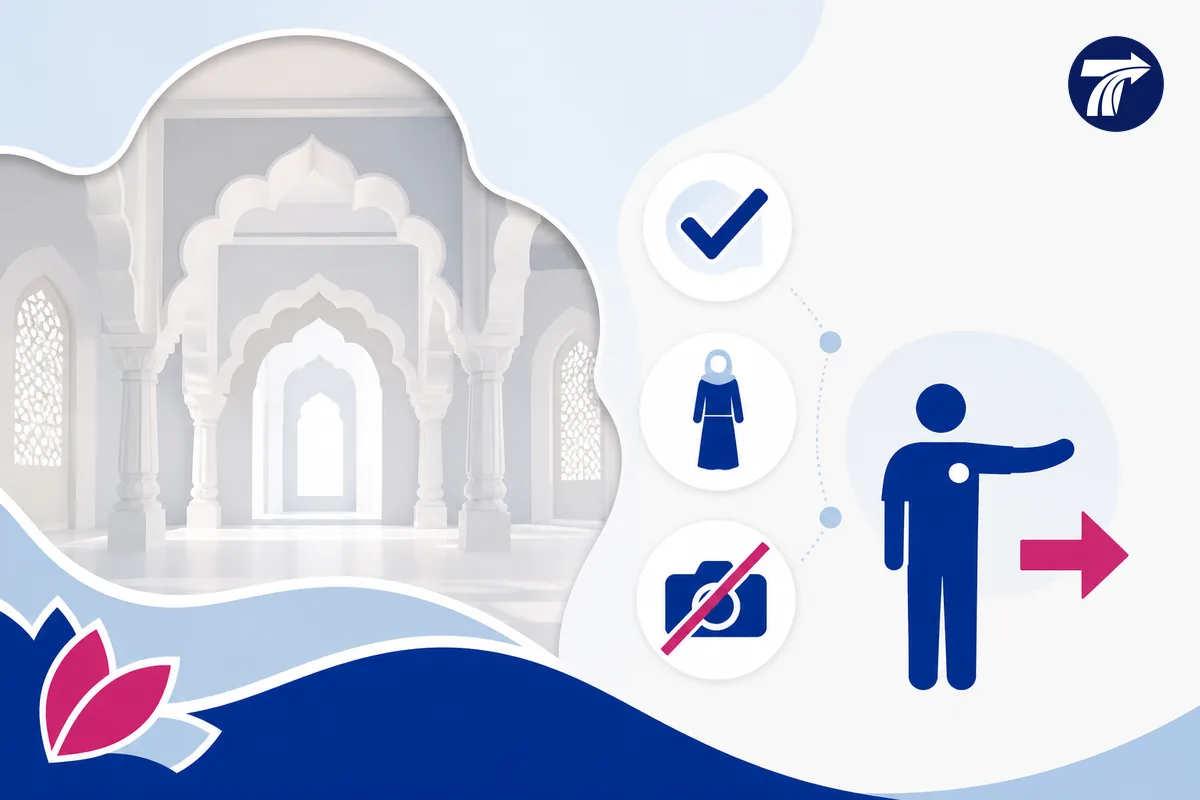
The Sanctuary deserves its own check because visitor conditions can matter as much as the road arrival. Read the current instructions before choosing clothing and before telling the rest of the group that a visit is certain. Wear clothing that is appropriate to the venue's stated rules, follow staff directions on arrival and be ready to adjust photography or access plans if the venue asks.
Respectful behaviour is practical planning. Keep voices low where requested, do not treat a ceremonial or working area as a photo set, and let current staff guidance take priority over anything in an itinerary. If rain, access rules, maintenance, a programme or another current condition changes the visit, revise the day rather than arguing from an old plan.
The transport request should identify the intended vehicle entrance and the party's return meeting plan. It should not say that a driver is a venue guide, that entry is included or that the driver will wait for any particular amount of time unless those details are explicitly accepted in writing.
Floating Market: check status before making it a fixed stop
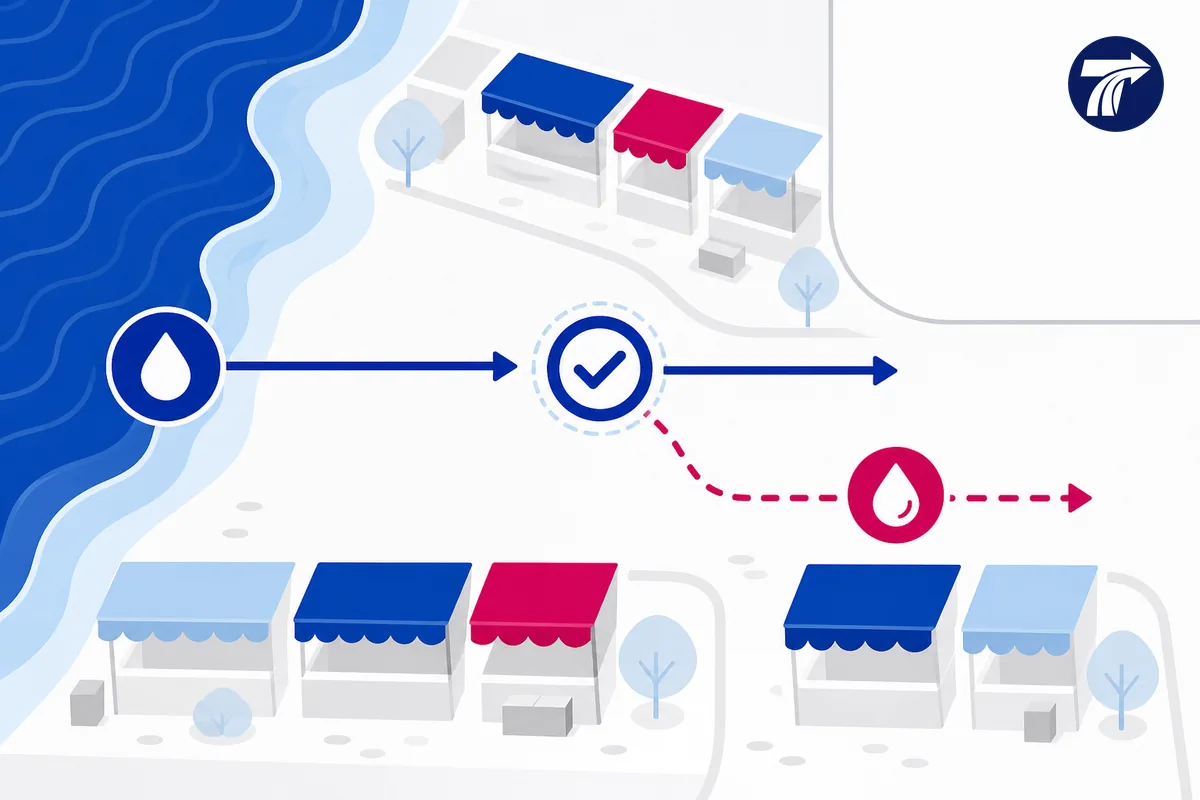
Pattaya Floating Market can be a useful browse-and-break idea, but do not build the entire day around a status you have not confirmed. Use the attraction's current channel to check whether a visit makes sense on your date, then decide whether it is a main stop, a short conditional stop or a backup to omit.
Avoid promising particular stalls, products, shows, boats, food or a restaurant table. Those are venue and vendor decisions, not transport inclusions. If your party wants a meal, make a separate choice and confirm it directly; a flexible food break can absorb variation, but it is not a reservation or a meal package.
Share the desired arrival entrance and the simple instruction “market only if current access is confirmed” in the booking message. This keeps the driver plan clear without turning a broad attraction name into a guaranteed activity.
Nong Nooch: confirm the current programme, then allow time
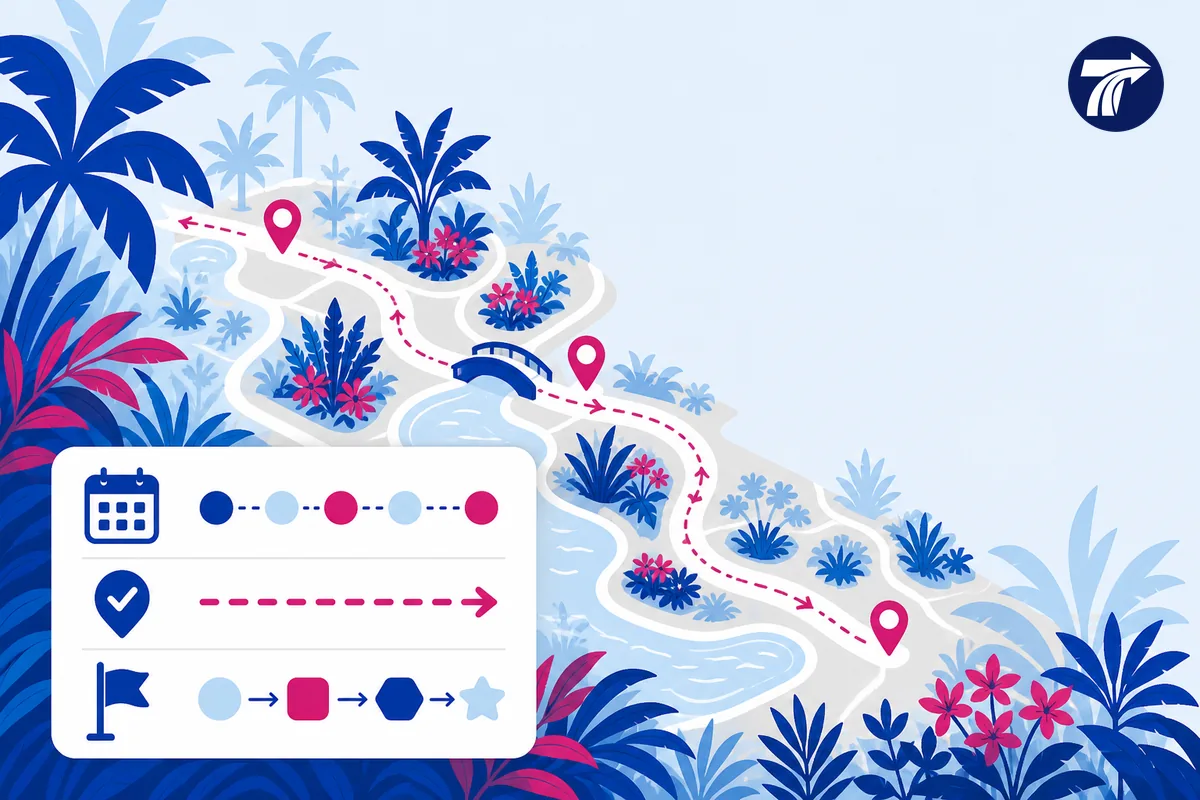
Nong Nooch should also be checked directly for the date you expect to visit. A published programme, visitor arrangement or access condition may change, and no itinerary should promise a named presentation, show, zone or activity unless the venue confirms it for that date. Decide what matters to your group after that check: a calm garden visit, a particular visitor programme if available, or simply a flexible final cultural stop.
Give this visit enough space in the outline that it remains enjoyable. Trying to collect every possible feature often turns an otherwise good day into repeated clock-watching. If the group is tired, the weather changes or a preceding visit runs longer than expected, choosing one core experience is more useful than racing to complete all three labels.
Set time allocations, not false precision
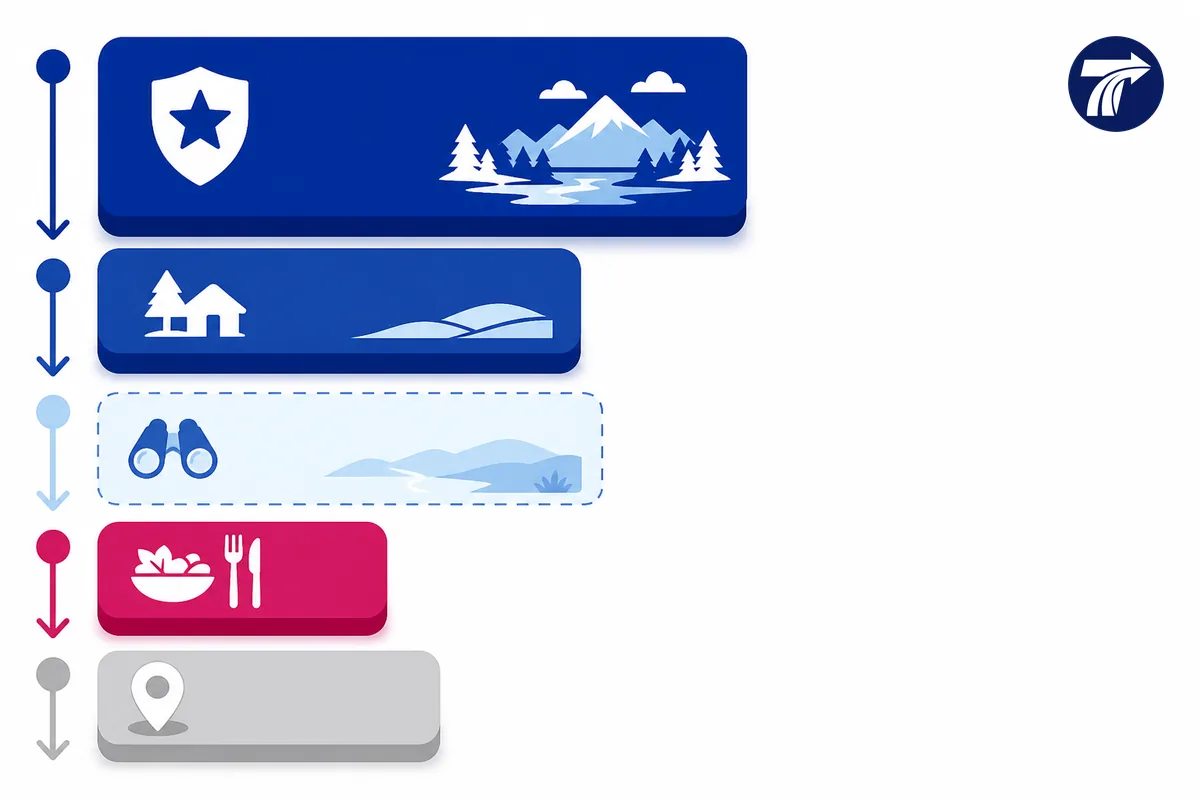
Use broad priorities rather than fixed claims: main visit, secondary visit, optional browse, food break and return. Ask every traveller which element they would most regret missing. That answer makes it easier to reduce the plan if needed.
For families, older travellers, guests with mobility considerations or anyone carrying a significant day bag, add breaks and practical access questions before the date. A passenger count is not a guarantee about bags, pushchairs or equipment. Tell the booking team about the full combined load and request any special requirement in writing. A request is not a promise that a particular vehicle setup or restraint is available.
Admission, guiding, meals, reservations and venue operations remain outside the road plan unless a written confirmation says otherwise. The current Services & Rates information is a general business reference; it does not turn a cultural itinerary into a ticketed package.
Limit optional additions
Adding an unconfirmed beach stop, shop, viewpoint or restaurant can make the route less useful, not more complete. Keep one optional addition at most, and only retain it if the three confirmed venues and the return plan still have room. State the addition in the quote request before booking; do not ask the driver to negotiate a different itinerary at pickup.
If you are deciding between three compact visits and a calmer two-stop day, use the calmer option when it better fits the party. A day tour is successful when the group reaches the agreed places with enough flexibility to respond to reality, not when every possible attraction name appears in the message.
Make the return plan explicit
Before leaving the final venue, review the written return expectation with the whole group. Identify the hotel entrance or other exact drop-off, a contact method for travel-day changes and any hard constraint such as an evening flight, dinner or check-in. A stated constraint helps planning but does not create a guaranteed arrival time.
If one visit changes substantially, send the updated request through the booking channel and ask whether the road plan can be amended. Do not assume that extra waiting, a new pickup point, a late return or a changed route is automatically covered.
Copy-and-send cultural day checklist
Use this message as a starting point:
Date: [date]. Pickup: [hotel name, usable entrance pin and requested time]. Party: [adults/children] with [all bags or bulky items]. Cultural priorities: [essential stop], [preferred stop], [optional stop]. We will confirm Sanctuary of Truth, Pattaya Floating Market and Nong Nooch separately before travel. Please confirm the accepted road movements, vehicle/load suitability, any agreed waiting, return drop-off and all exclusions in writing. Admission, guiding, meals and reservations are arranged separately.
Add the current visitor instruction or confirmed reference for each venue if it changes the order. The contact page is the appropriate place to send a complete, confirmation-led request.
Frequently Asked Questions
Can all three cultural stops be guaranteed in one day?
No. They should be treated as a conditional sequence after each venue's current status and visitor conditions are checked separately. A two-stop day may be the better plan.
Are Sanctuary of Truth tickets included with transport?
No. Admission is separate unless a written confirmation explicitly says otherwise. The same applies to guiding, meals and reservations.
What should I wear for the Sanctuary of Truth?
Follow the venue's current visitor guidance and staff instructions for your date. Do not rely on a generic itinerary for a fixed rule.
Can the driver choose the order of the stops?
Share your priorities and current venue checks before booking. The accepted road route should be confirmed in writing; the attractions themselves remain separate decisions.
Can we add a restaurant or shopping stop?
Request it before confirmation. A restaurant table, a meal and extra road movement are not automatically included.
What if one venue changes its conditions?
Keep the day flexible. Skip or replace that stop only after checking the changed situation and, where needed, asking for an amended transport scope.
Plan the road movements around confirmed visits
Confirm each venue separately, choose the least rushed order and send the full pickup, party, load, priorities and return details to TOP PATTAYA TAXI. A written reply should distinguish the agreed road movements from admission, venue operations, meals, reservations and every other separate arrangement.
Before the date, put the three confirmations and the final road reply in one place on your phone. That does not make the arrangement guaranteed; it simply gives everyone the same current reference if a venue, entrance or priority changes.
It also makes a careful two-stop revision easy to communicate without losing the essential current information.