The most useful one day Pattaya itinerary is not a race between famous names. It is a short sequence that still works after you check the date, the weather, the places you actually want to enter and the energy of the people travelling. A private driver can make the road movements simpler, but the itinerary needs room for venue conditions, meals, walking and the return you want at the end of the day.
This guide helps you build that sequence. It does not publish a fixed attraction timetable, sell tickets or promise that every suggested type of stop fits inside a particular booking. Confirm each venue directly for your date and ask for the vehicle movements, waiting and route scope in writing. For the commercial transport arrangement itself, start with Pattaya private day tour with driver after choosing your priorities.
Decide What a Good Day Means for Your Party
Before naming attractions, decide what the day needs to feel like. Some visitors want a calm mix of one major visit, a meal and a coastal view. Others want a cultural focus, shopping time or a low-walking route. Families may need shade, toilets and rest points; couples may value a relaxed dinner area; travellers with a departure the next morning may want to return early.
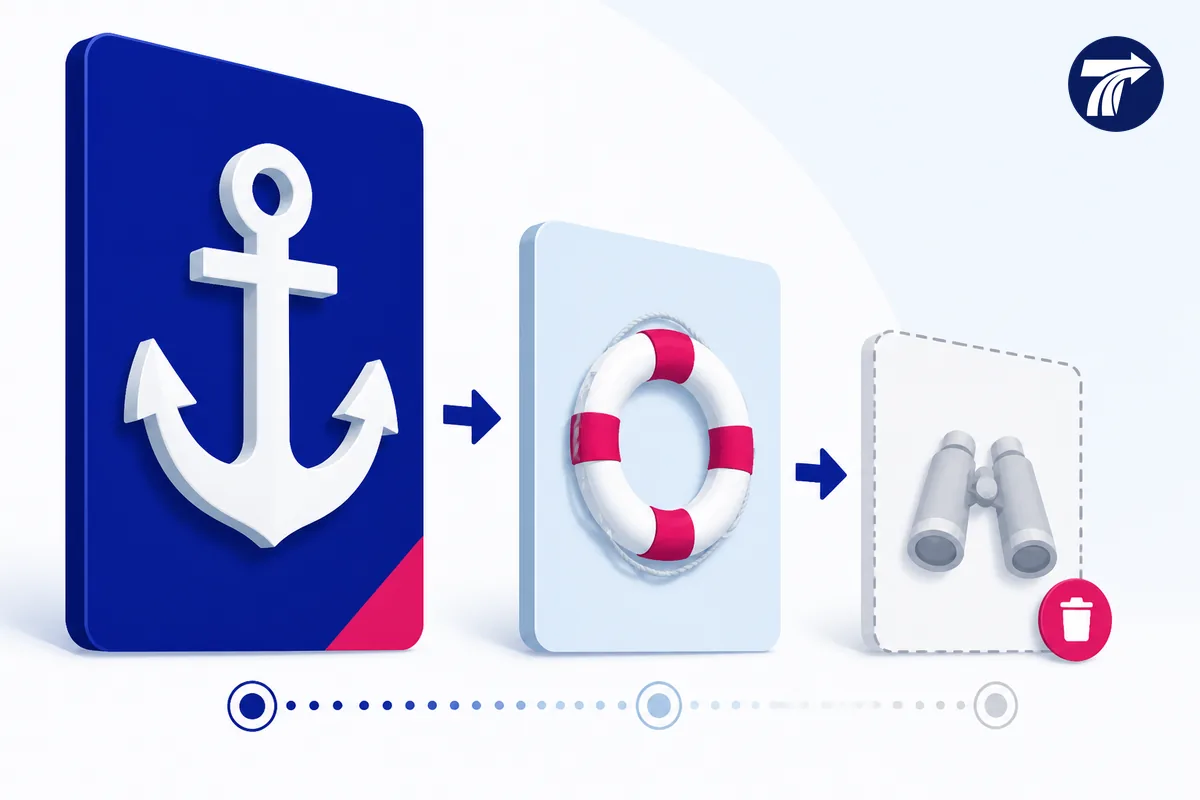
Write one anchor experience, one supporting experience and one optional addition. The anchor is the place or activity that would make the day worthwhile on its own. The support fits naturally nearby or gives the group a change of pace. The optional addition is the first item to drop if traffic, heat, a late start or venue conditions consume more time than expected.
This approach makes a route more resilient. It also prevents a booking conversation from becoming vague: instead of asking a driver for “a full Pattaya day,” you can request a clear set of movements around named, checked locations.
Build Around Confirmed Hours, Not a Generic Timetable
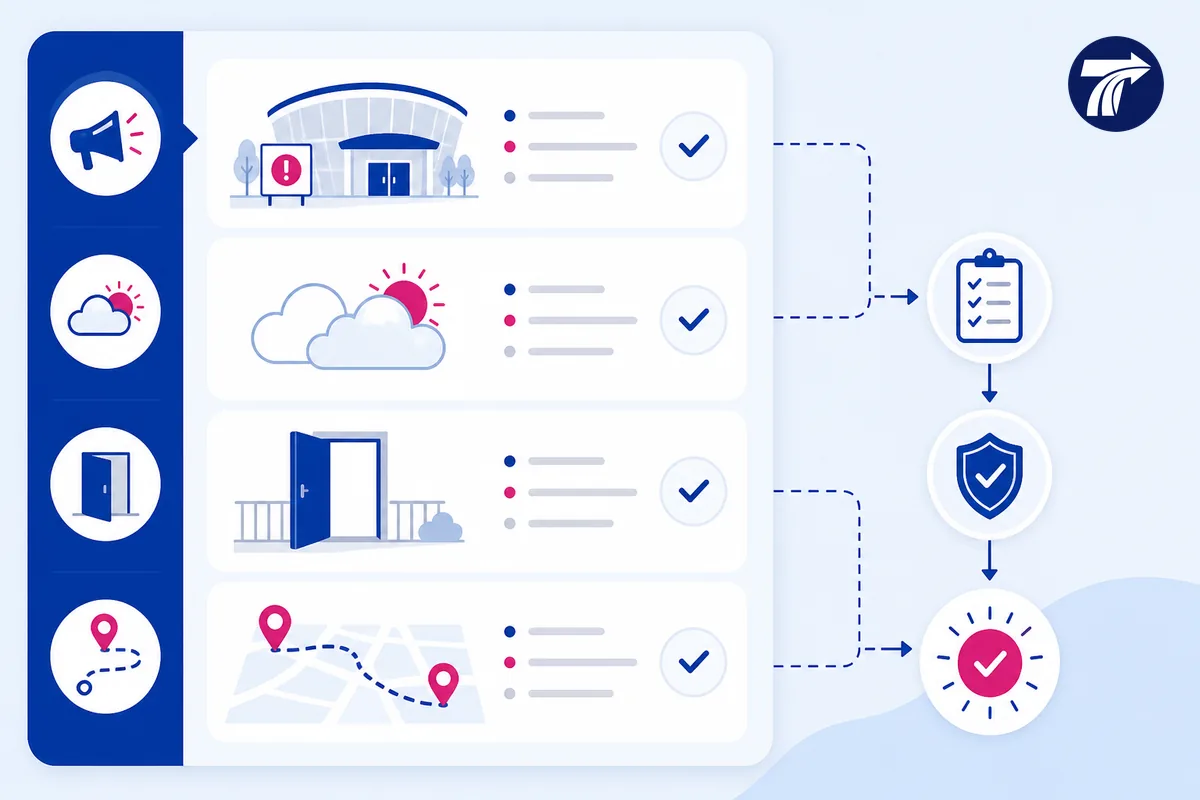
Attractions, markets, restaurants and viewpoints can change visitor arrangements. Check the official channel for each venue close to travel. Look for the current entry process, any reservation requirement, the latest visitor notice and weather guidance. If a place cannot confirm a suitable visit, replace it rather than basing the whole day on an old listing.
The Thai Meteorological Department provincial forecast is a useful planning check, particularly when your day depends on outdoor walking or a viewpoint. It is not a replacement for a venue's own notice. Keep a weather-friendly indoor or sheltered alternative in mind, but do not assume access, admission or space without checking it directly.
Avoid writing your day as a minute-by-minute promise. A practical sequence uses broad phases: pickup; anchor visit subject to current access; lunch or a rest break; second area; optional addition only if the day is running comfortably; and return. The order can change when the confirmed conditions make a different sequence wiser.
Group Stops by Area and Energy
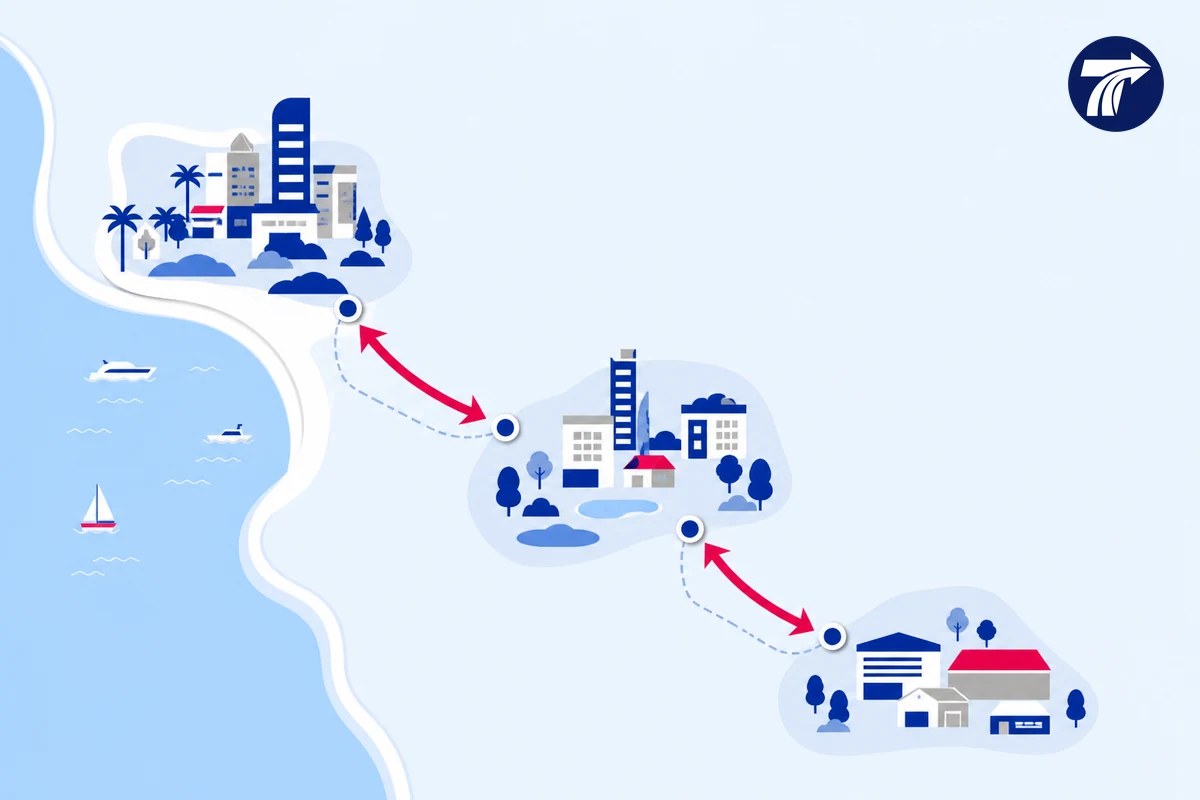
Geographic grouping reduces unnecessary retracing, but the group’s energy matters just as much. A short drive between two points may still be a poor choice after a hot outdoor visit, a long lunch or a child who needs downtime. Put the most important visit where it is most likely to be enjoyed, not simply where it sits on a map.
Think in zones rather than a long list. You might choose a northern cultural or beachfront zone, a central shopping-and-meal zone, or a southern garden, beach or viewpoint zone. Ask the driver to confirm the actual movements once you have shared exact entrance pins. A broad district name does not tell a driver which gate, car park or meeting point the party will use.
Use existing attraction guides for research instead of duplicating them in your route. If you are considering the Sanctuary of Truth, read the Sanctuary of Truth guide for its current planning questions. If a garden visit is on your list, check the Nong Nooch planning guide. Each venue controls its own access; these links are starting points for deciding whether it belongs in your day.
Keep the Sequence Flexible
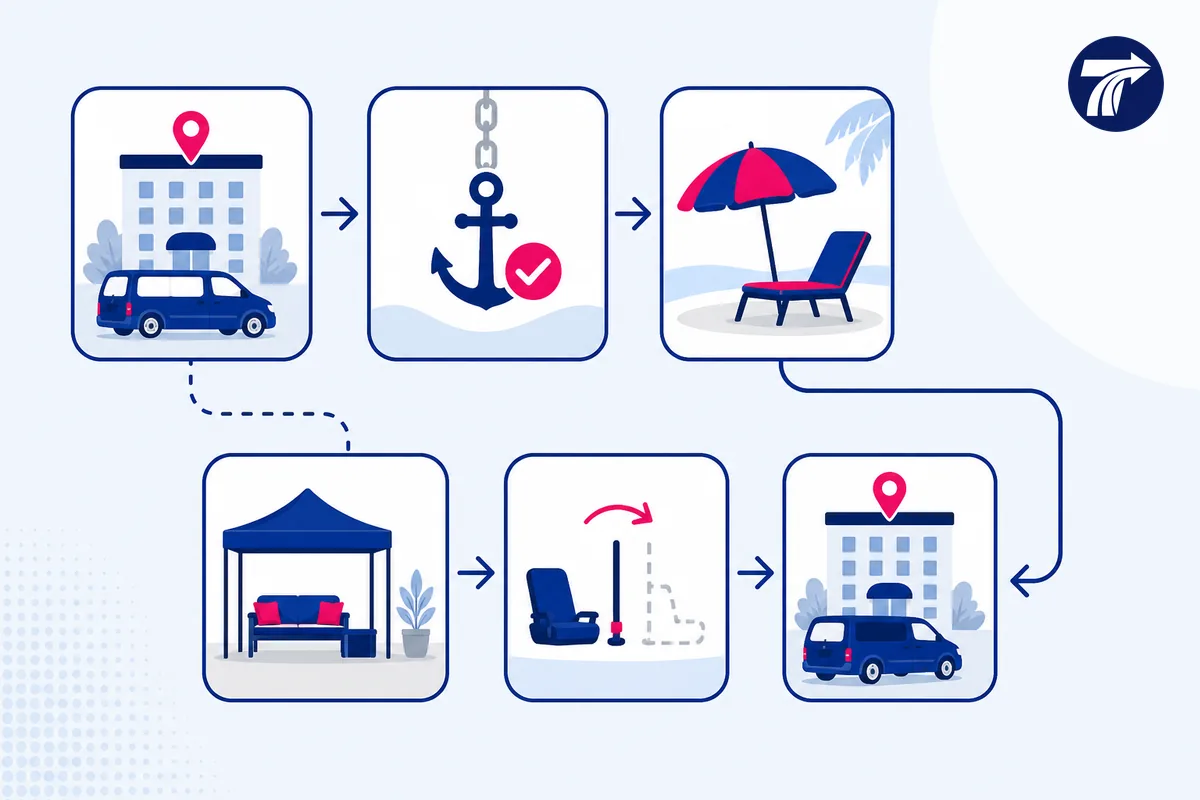
The following visible route structure supports an ItemList, but it is a planning method rather than a promised itinerary:
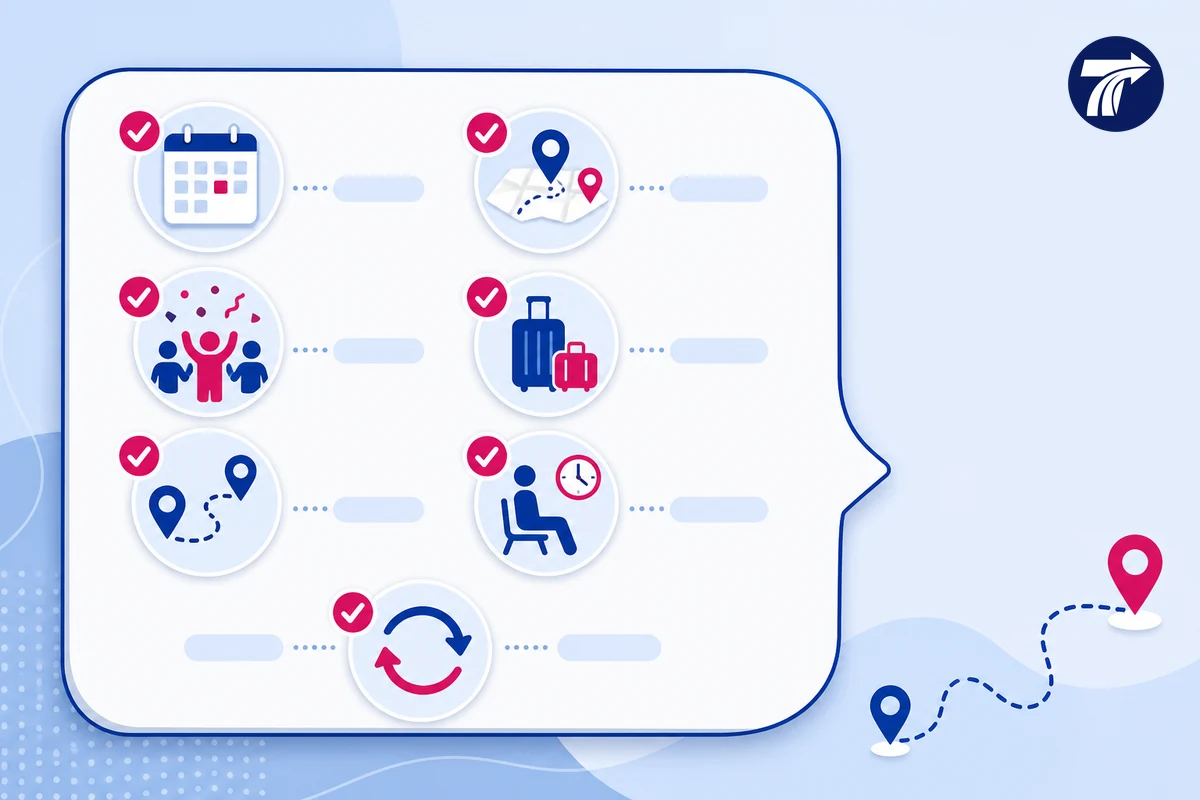
- Confirm the hotel entrance and collect the party at the agreed time.
- Travel to the anchor venue only after checking its current visitor conditions.
- Take a meal, shade or comfort break in an area that suits the group.
- Move to one supporting area with an agreed drop-off and collection point.
- Add one optional nearby element only if conditions and the confirmed scope still make sense.
- Return to the agreed Pattaya address or meeting point.
The value of this order is that it protects the anchor. If the first venue is not suitable, you can move the support forward, extend the break or simplify the day. Share any material revision through the booking channel instead of assuming an added detour or waiting request is covered.
Do not treat a private driver as a venue guide. The driver can carry out confirmed transport movements; admission, interpretation, activities, tables and opening decisions stay with the appropriate venue or supplier.
Make Lunch and Traffic Margin Part of the Plan
Lunch is more than a gap between attractions. It is a useful buffer for late entry, weather, fatigue, toilet needs and the ordinary variation of a day out. Select a couple of food options around the planned area, then confirm their current suitability directly if a meal is important. The transport provider does not reserve a table or include food unless a written confirmation says so.
Leave a margin between any fixed commitment and the previous stop. Road conditions, parking arrangements, entry queues, rain and the time needed to regroup can all change the flow. Do not promise a child that every optional attraction will happen, and do not plan a hard return connection on the assumption of a precise arrival.
Traffic is another reason to group the day carefully. Rather than trying to cover the whole city, choose a coherent direction and agree on a return preference. If you need to be back for a dinner, spa booking or onward journey, tell the booking team. It can be a planning constraint without becoming a guarantee.
Limit Optional Additions
An optional stop is useful only when it is truly optional. It should be nearby, easy to remove and not dependent on unconfirmed waiting. Good examples are a short viewpoint pause, a small shopping area or a second walkable section near your afternoon base, subject to current conditions.
Avoid attaching a third distant attraction simply because it is popular online. That often turns a day of seeing places into a day of getting between them. When you send the route request, label the anchor, support and optional addition clearly. Ask what changes would be needed if the optional element is retained.
If your priority is a family-paced route, the Pattaya family day-tour itinerary covers breaks, equipment and a child-restraint request checklist. Use it to prepare your questions, then confirm the route and any special request in writing.
Decide What to Drop First
Make the route easier to manage by deciding the fallback before the day begins. If the anchor visit moves, takes longer than expected or becomes unsuitable, remove the optional addition first. If the group needs food or shade earlier than planned, keep the supporting area light or move it to another day. That is not a failure of the itinerary; it is what makes the itinerary usable with real people and real conditions.
Write the fallback in the same booking request. For instance, you can say that a second area is preferred only if the first visit and meal finish comfortably, otherwise return to the hotel. This gives the driver a clear decision boundary and helps the party avoid negotiating a new cross-town movement when everyone is tired. The booking team still needs to accept any vehicle movements and waiting that would be involved.
Avoid using attraction names as shorthand for a whole schedule. A venue can have several entrances, ticket types or internal areas, and its current rules may make one plan impractical. Use the exact point you intend to visit, then let the day's confirmed information decide the sequence.
Set a Return Commitment You Can Keep
Choose a return address and a preferred finish rather than assuming the driver can remain available indefinitely. If the party may choose between hotel return, dinner area or a second hotel, state each possibility before booking. A changed destination can change the route and needs agreement.
Agree on collection points before entering a large venue. A map pin in the middle of an attraction or a broad beach name may not identify a safe vehicle meeting point. Use a usable entrance, an official car-access point or another point accepted in the booking. Keep the travel-day contact reachable in case a location instruction changes.
The return is especially important when the day includes a fixed reservation or a child’s bedtime. Build enough margin to protect the commitment, but do not state a guaranteed road duration. Current conditions decide the actual journey.
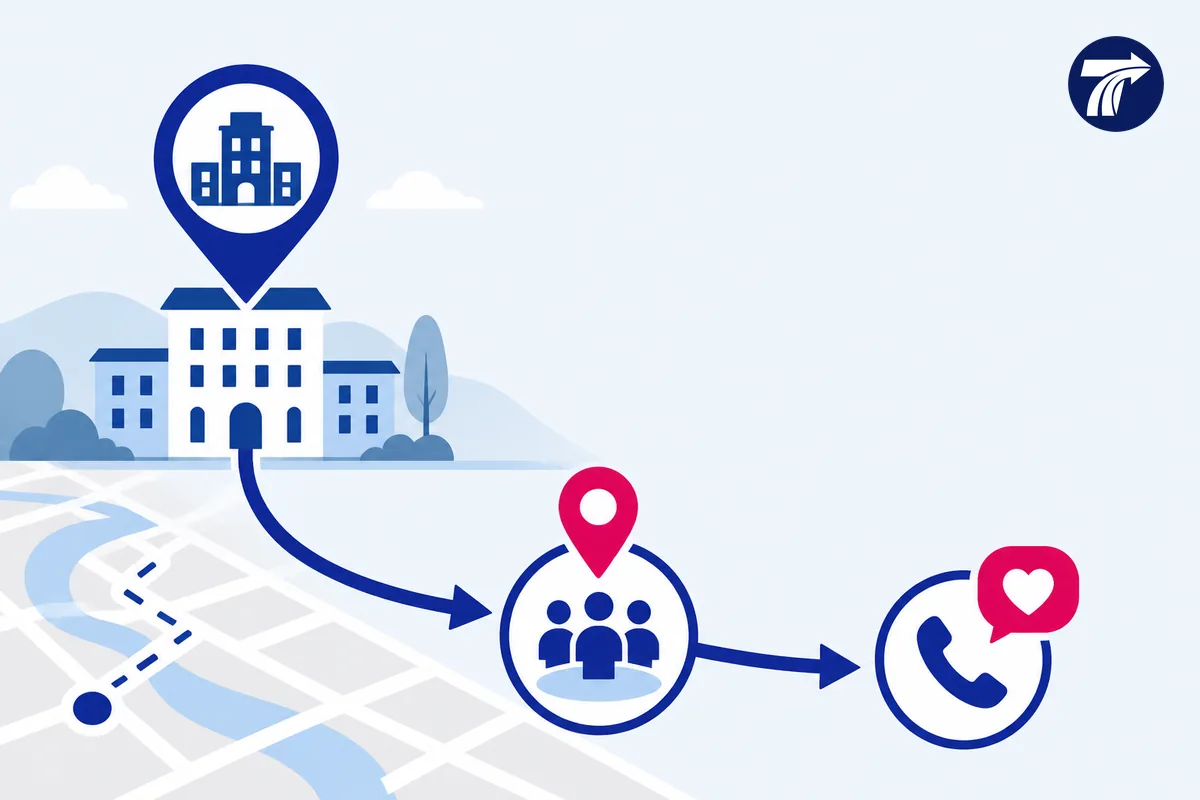
Transport Scope Versus Venue Scope
Written transport scope may cover the accepted pickup, vehicle movements, route, vehicle class, price and any waiting expressly included. It does not automatically cover:
- attraction admission, tickets or activities;
- a licensed guide or on-site interpretation;
- restaurant selection, reservations, meals or drinks;
- venue parking, priority entry or operating status;
- open-ended waiting while the party explores;
- an unlisted pickup, drop-off or route change.
For vehicle and service context, use Services & Rates as the current first-party reference. It does not confirm a particular sightseeing route, venue visit or load arrangement. Those details belong in the written response for your own request.
Copy-and-Send Booking Checklist
Use this as a starting message and replace every bracketed field:
Hello, I would like a written transport quote for a flexible one-day Pattaya itinerary.
Date and requested hotel entrance pickup: [details and pin]
Return address and preferred finish: [details]
Adults, children and full bag/equipment list: [details]
Anchor venue, current access checked: [name and exact pin]
Supporting area or venue: [name and exact pin]
Optional nearby addition: [name and exact pin, if applicable]
Requested vehicle movements and any waiting: [details]
Special requests, including child-restraint request with age and approximate weight: [details]
Please confirm the vehicle, accepted route, waiting, price, exclusions and procedure for a route change.
Do the venue checks separately, and attach or resend corrected pins if the plan changes. The most useful reply is one that repeats the accepted movements in a way that you can compare with your list.
Frequently Asked Questions
Can one day cover all of Pattaya's major attractions?
Do not assume so. Choose an anchor and a limited supporting plan after checking current venue conditions, traffic and the party's pace.
Should I book tickets through the driver?
This guide does not assume ticket service. Check and arrange admission through the chosen venue unless a written transport confirmation expressly includes a specific item.
Does a private driver set the attraction order?
You can request a preferred order, but current venue conditions and the confirmed vehicle scope guide the final plan. Keep a simple alternative ready.
Is lunch included in a private day booking?
Do not assume that. Meals and restaurant reservations are separate unless expressly included in writing.
How many stops should I plan?
Start with one anchor, one supporting area and one removable option. Confirm every vehicle movement rather than using a generic stop count.
What if weather changes the plan?
Check current weather and venue notices, then simplify or reorder the day. Ask for approval before a material transport change.
How do I book the transport?
After checking your venues, send the complete route and load details through the official contact page and obtain written confirmation.
Turn Your Priorities into a Confirmed Route
Pick the one experience that matters most, keep the rest of the day light enough to enjoy it, and verify each venue through its own current channel. Then request a written Pattaya private day-tour arrangement with the exact pins, party details, requested movements and return preference.